

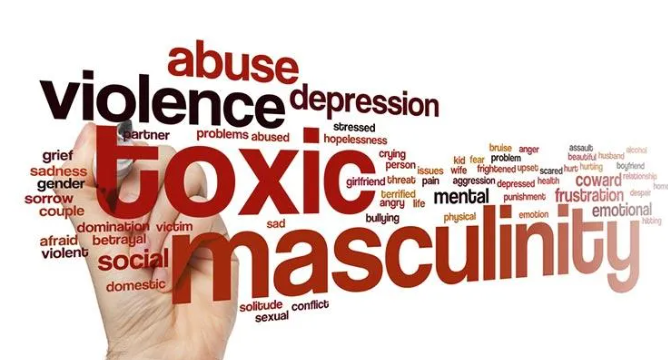
I’ve got to be honest—the term “toxic masculinity” gets under my skin. Not because I think harmful behaviors don’t exist; of course they do. But the way this phrase is thrown around today feels like an attack on what it means to be a man. To me, the real toxicity isn’t in traditional masculinity—it’s in the absence of it, especially among millennial and Gen-Z men who’ve been raised on the idea that men and women are equal in every single way. I believe this push for absolute sameness has gutted what it means to be a man, particularly as a role model for young men, as a father, and as a husband. Let me explain why this matters to me and why we need to get back to the basics.
First, let’s clear the air. When people talk about “toxic masculinity,” they often point to things like unchecked aggression or bottling up emotions. I get it—those can be problems. But the term has morphed into a catch-all for anything stereotypically male: strength, leadership, assertiveness. I have seen how these traits were vilified in schools, media, and culture. Boys are taught that being dominant or competitive is wrong, that they need to be softer, more vulnerable all the time. The message is loud: men and women are equal in every aspect. Sounds nice, right? Equal rights, equal value—absolutely, I’m all for that. But equal in every way? That’s where I think we’ve gone off the rails.
This idea of sameness has hit millennial and Gen-Z men hard. I’ve watched friends, cousins, and even strangers struggle with it. Raised on participation trophies and endless affirmations, many younger guys seem lost. They’re told to suppress their natural drive to lead or compete, and it’s left them directionless. I’ve seen the stats—male depression and suicide rates are climbing, and more guys are checking out of traditional roles like marriage or fatherhood. It’s not just a personal crisis; it’s a societal one. When men are told their instincts are toxic, they don’t step up—they step back. And that’s a problem for everyone.
As a role model for younger men, this hits close to home. I think about my younger brother, my cousins, or even the kids I might mentor someday. They need men who embody strength, responsibility, and confidence—not guys who’ve been taught to second-guess their masculinity. When I was a kid, I looked up to men who led by example, who weren’t afraid to be tough but also knew how to care. Now, I see young men growing up without those figures. Dads are told not to be “controlling,” so they back off. Mentors avoid discipline to not seem “toxic.” The result? Boys grow up without a roadmap, turning to video games, social media, or worse, toxic online spaces that overcorrect in the wrong direction. We need men who can show boys how to be strong without being cruel, how to lead without dominating.
Fatherhood is where this really stings. A father isn’t just another parent—he’s the protector, the provider, the one who sets the tone for the family. I look at my own dad and grandfather, who weren’t perfect but always showed up when it mattered. They taught me how to stand tall, how to fix things, how to take responsibility. But today, the push for men and women to be identical has watered down fatherhood. I see guys my age who don’t know how to step up because they’ve been told it’s patriarchal to lead. Kids need fathers who are rocks, not roommates. Studies back this up: kids with strong, involved dads do better in school, emotionally, and socially. When men shy away from that role, families feel the void.
As for being a husband, I believe in partnership, but not sameness. I want to be a man my wife can rely on—not just as an equal teammate, but as someone who brings something unique to the table. The idea that men and women are interchangeable in relationships ignores what makes us work together. I’ve seen marriages falter when men don’t step up as leaders, not because they’re domineering, but because they’re absent. A husband who protects and anchors his family isn’t toxic—he’s vital. Women deserve men who are strong, not apologetic for it.
So, what’s the fix? We need to go back to basics. Men and women have equal rights—same opportunities, same respect—but we’re not the same. Men are built, on average, to lead, protect, and provide. That’s not about superiority; it’s about purpose. I want to see boys encouraged to lift weights, take risks, learn skills, and yes, show emotion when it’s real—but not to shy away from their strength. We need to stop demonizing masculinity and start celebrating it for what it can be: a force for good.
To me, “toxic masculinity” isn’t the problem—it’s the lack of real masculinity that’s poisoning us. Without it, we’re left with aimless men, fractured families, and a society that’s weaker for it. I say let’s reclaim what it means to be a man: strong, responsible, and unapologetically present.